
Dispatch · December 14, 2025 · 5 min · By Femi Lockhart
When an ingrown hair gets infected
How to tell a simple bump from one that needs care.
Most ingrown hairs are mildly inflamed and resolve on their own, but some become infected, and knowing the difference prevents both under- and over-treatment.
A simple ingrown is a small red bump, sometimes with the looped hair visible just beneath the surface. An infected one becomes larger, more painful, warm, and filled with pus, sometimes forming a tender boil-like nodule. The single most important rule for either is to resist digging or squeezing, picking introduces bacteria, worsens inflammation, and is the main cause of scarring and dark marks. For an independent overview, see Folliculitis and infected ingrown hairs: signs and care.
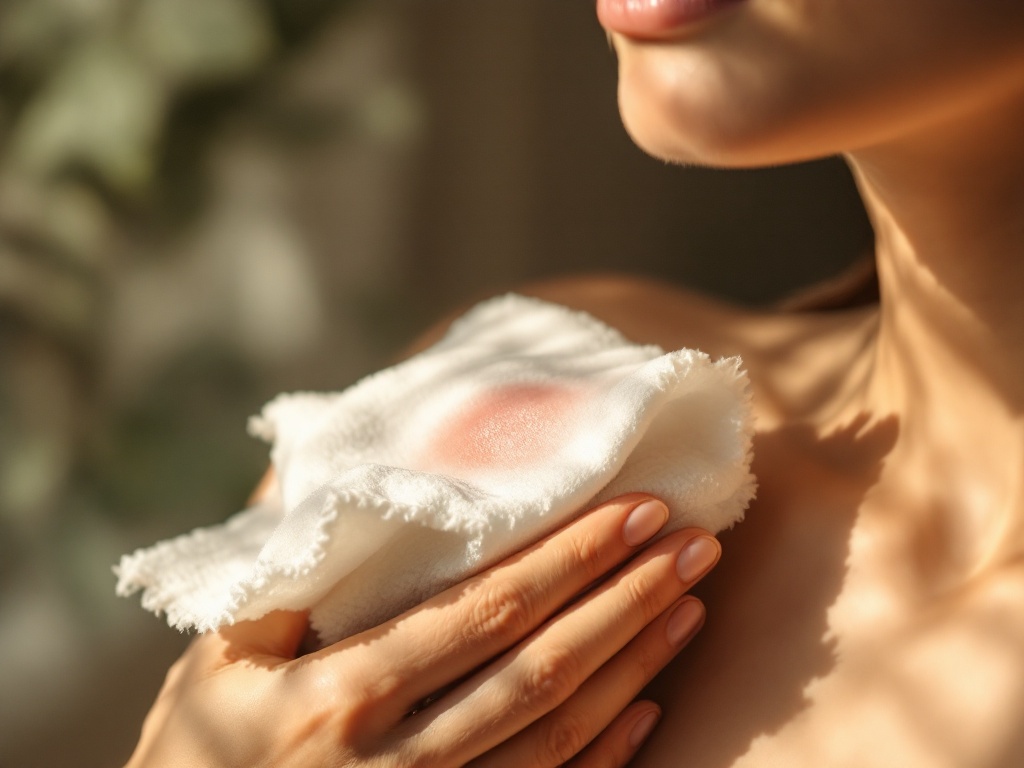
For a simple ingrown, warm compresses and leaving it alone usually let the hair work its way out. For a clearly infected, enlarging, or very painful lesion, or recurrent infected bumps, a dermatologist can release the trapped hair safely, prescribe a topical or oral antibiotic if needed, and address the underlying tendency. Repeated infected ingrowns in the same areas point toward a hair-reduction solution. The takeaway is to treat simple ones gently and patiently, and to seek care rather than excavate when a bump turns genuinely infected.
Related reading: Best hair removal methods for ingrown-prone skin.
A few principles hold across ingrown hairs and razor bumps. The cause is almost always a hair that re-enters the skin after it is cut or pulled, so the most reliable fixes reduce that friction: a sharper single blade, shaving with the grain, less aggressive grooming, and gentle exfoliation between sessions. What works for one person depends on skin and hair type more than on any single product.
Staging matters too. Most irritation calms over days once you stop traumatizing the area, while chronic, recurring bumps are better judged over weeks as the routine changes. For stubborn cases, reducing the hair itself with laser hair reduction or electrolysis is the durable answer, and a clinician can set out that plan, the expected recovery, and what to do if a spot becomes infected.
For independent background on this topic, see Folliculitis and infected ingrown hairs: signs and care, and review the full source list below. This article is editorial reporting and is not a substitute for a consultation with a board-certified dermatologist.