
Dispatch · January 23, 2026 · 5 min · By Femi Lockhart
Best hair removal methods for ingrown-prone skin
Some methods cause ingrowns; others sidestep them entirely.
If you are prone to ingrown hairs, the hair-removal method you choose has a large effect on how often you get them, and matching the method to your skin can solve much of the problem.
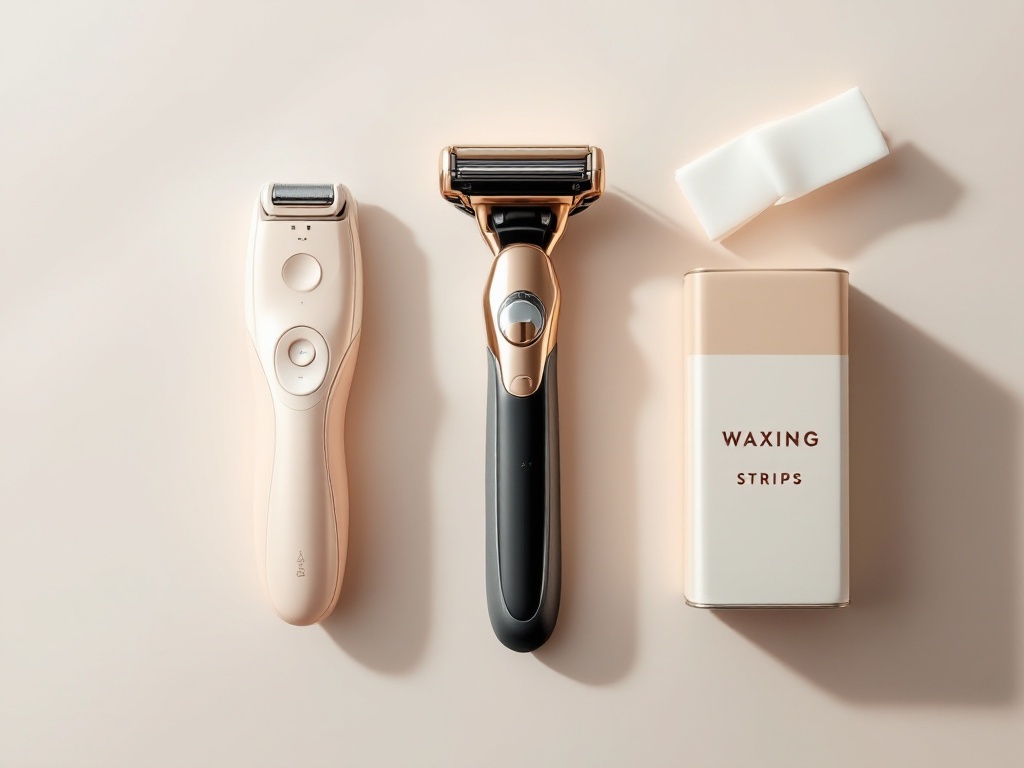
Close shaving against the grain is the leading cause of ingrowns because it leaves sharp, angled tips. Switching to an electric or single-blade razor, shaving with the grain, or not shaving as closely all help. Depilatory creams dissolve the hair at a blunt angle rather than a sharp point, which some ingrown-prone people tolerate better, though the chemicals can irritate. Waxing and plucking remove the whole hair but can distort follicles and cause ingrowns as the hair regrows. The methods that avoid ingrowns most reliably are those that reduce the hair permanently, laser and electrolysis, since no hair means no ingrown. For an independent overview, see How to shave to prevent ingrown hairs.
The practical approach is to experiment with gentler shaving technique first, consider depilatories or growing the hair out where feasible, and move to laser reduction if ingrowns remain chronic and scarring. There is no single right method, but for badly ingrown-prone skin, the long-term winner is usually reducing the hair rather than continuing to fight it at the surface.
Related reading: When an ingrown hair gets infected.
A few principles hold across ingrown hairs and razor bumps. The cause is almost always a hair that re-enters the skin after it is cut or pulled, so the most reliable fixes reduce that friction: a sharper single blade, shaving with the grain, less aggressive grooming, and gentle exfoliation between sessions. What works for one person depends on skin and hair type more than on any single product.
Staging matters too. Most irritation calms over days once you stop traumatizing the area, while chronic, recurring bumps are better judged over weeks as the routine changes. For stubborn cases, reducing the hair itself with laser hair reduction or electrolysis is the durable answer, and a clinician can set out that plan, the expected recovery, and what to do if a spot becomes infected.
For independent background on this topic, see How to shave to prevent ingrown hairs, and review the full source list below. This article is editorial reporting and is not a substitute for a consultation with a board-certified dermatologist.