
Advances · July 4, 2026 · 7 min · By Cyrus Hellstrom
Retinoids for chronic ingrown hairs: the overlooked nightly fix
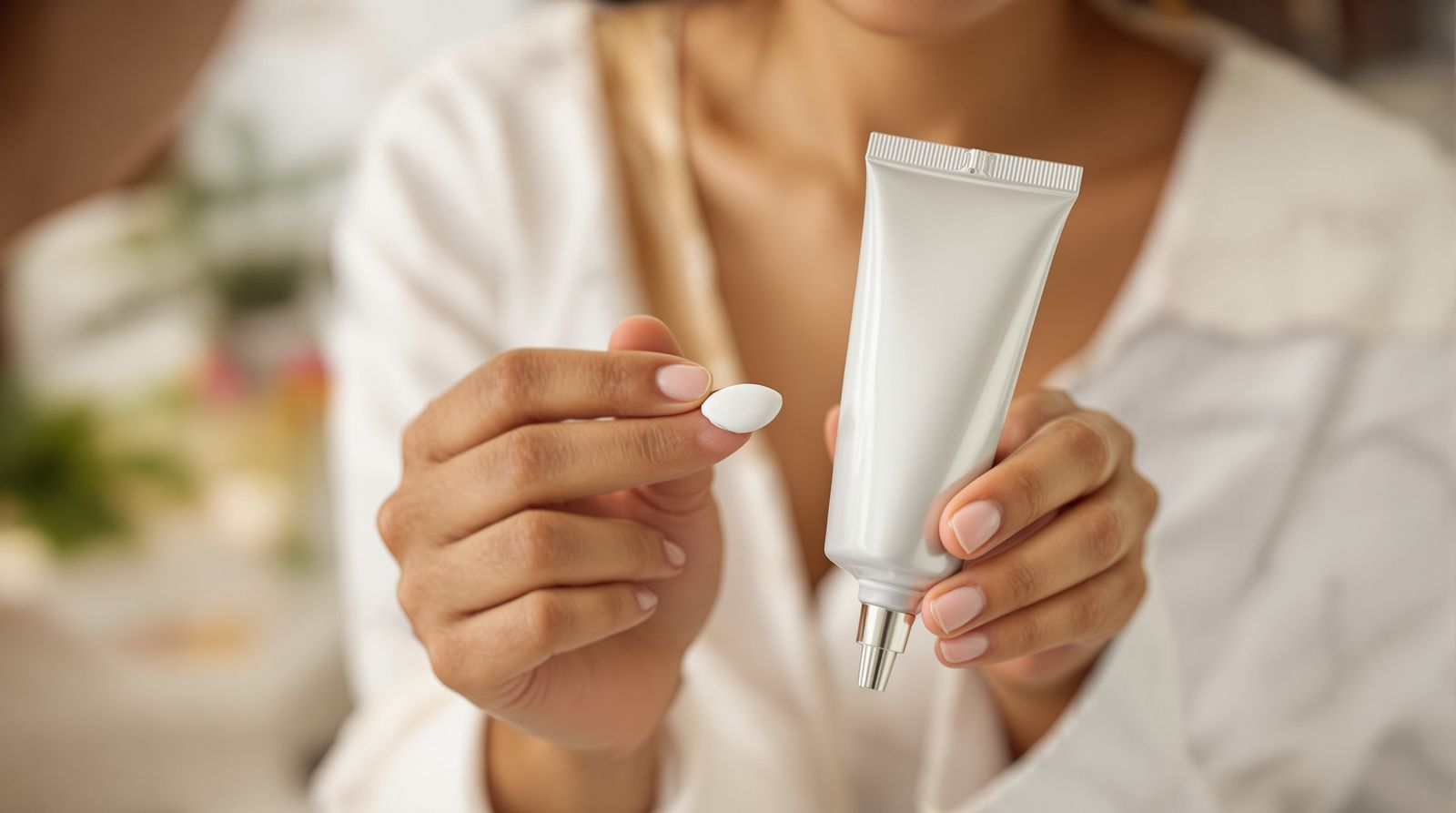
A pea-sized amount at night changes how the follicle sheds. For stubborn razor bumps it is one of the better-evidenced tools.
Acids get most of the attention in ingrown-hair routines, and they earn it. But for people whose bumps come back month after month regardless of technique, dermatologists often reach for a different prescription: a topical retinoid. It is one of the older tools in the specialty, it is inexpensive, and it addresses the part of the problem that scrubs and shaving tweaks cannot touch.
What a retinoid does to the follicle. Retinoids are vitamin A derivatives that change how skin cells mature and shed. Used nightly, they normalize the turnover of the cells lining the follicle opening, which keeps the plug of dead keratin from forming over an emerging hair. They also thin the compacted outer layer that a curved hair tip would otherwise re-enter, and over months they improve the texture and tone of chronically inflamed skin. Tretinoin, the prototype, has decades of use for exactly this kind of follicular clogging (StatPearls, NCBI Bookshelf).
The evidence in razor bumps. Chronic ingrowns in the beard area, the condition dermatologists call pseudofolliculitis barbae, have been treated with topical tretinoin since the 1970s, and current clinical references list retinoids among the standard maintenance options alongside shaving changes and hair reduction (StatPearls, NCBI Bookshelf). Retinoids do not change the curl of the hair, so they are not a cure, but they lower the rate at which emerging hairs get trapped, and they help flatten the rough, bumpy texture that makes each new shave riskier.
Prescription versus over the counter. Tretinoin requires a prescription in the United States. Adapalene 0.1 percent gel does not, and it is a reasonable starting point for most people; it is somewhat gentler than tretinoin at comparable effect for follicular clogging. Retinol, the cosmetic-counter ingredient, is weaker again and must be converted by the skin before it works, so results are slower. An overview of the class and its practical differences is maintained by DermNet (DermNet).
How to start without wrecking your skin. Retinoids have a hazing period, and most people who quit do so in the first three weeks. Start with a pea-sized amount for the whole treatment area, applied to fully dry skin at night, two nights a week. Hold there for two weeks, then step up to every other night, then nightly as tolerated. Buffer with a bland moisturizer before or after. Expect mild flaking and pinkness early; that is adjustment, not damage. Daily sunscreen is non-negotiable, because retinoids increase sun sensitivity and unprotected sun deepens the dark marks old ingrowns leave behind.
Fitting retinoids alongside acids. A retinoid and a chemical exfoliant do overlapping jobs, so they should share a schedule, not a night. A common pattern is the retinoid most nights with a salicylic or glycolic product once or twice a week, skipping both on the day you shave that area. If your skin stings, peels, or stays red, drop the acid first and keep the retinoid.
Who should hold off. Skip retinoids during pregnancy or while trying to conceive, and get guidance first if you have eczema or very reactive skin in the treatment area. Never apply one to broken or actively infected skin; deal with an infected bump before starting maintenance.
The takeaway: for chronic ingrowns, a nightly retinoid is the quiet workhorse, cheap, well studied, and aimed at the follicle itself. Give it eight to twelve weeks of consistent use before judging it, and pair it with sunscreen and sane shaving.
Related reading: Chemical exfoliants for ingrown hairs: salicylic vs glycolic acid.